

In today’s data driven world, the automotive industry is no exception to the transformation power of data analytics. In this blog post, we will dive into the world of luxury car sales, focusing on some of the most renowed brands like Ferrari, Roll-Royce, Tesla, Lamborghini and other elite car manufacturers. By levariging data analytics, these companies are not only staying aheasd of the curve but alsp crafting their roadmaps to continued success.
Understanding the Luxury Car Market
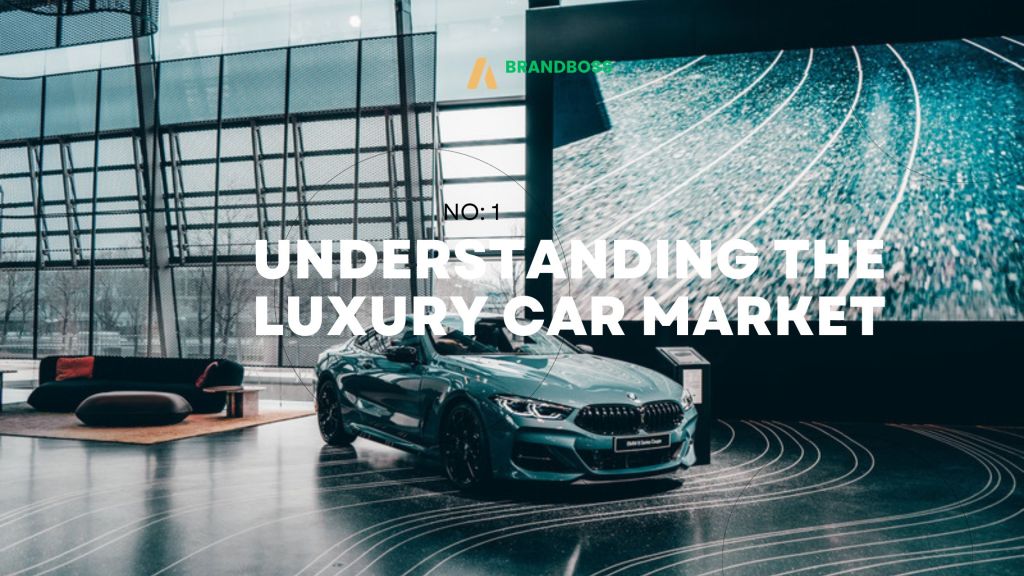
The luxury car market is a highly competitive arena, defined by innovation, craftsmanship, and exclusivity. Companies in this space face unique challenges, including catering to a niche clientele while maintaining profatbility and brand prestige. Data analytics play a pivitol role in adddressing these challenges and uncovering opportunities for growth.
1.Customer Segmentation.
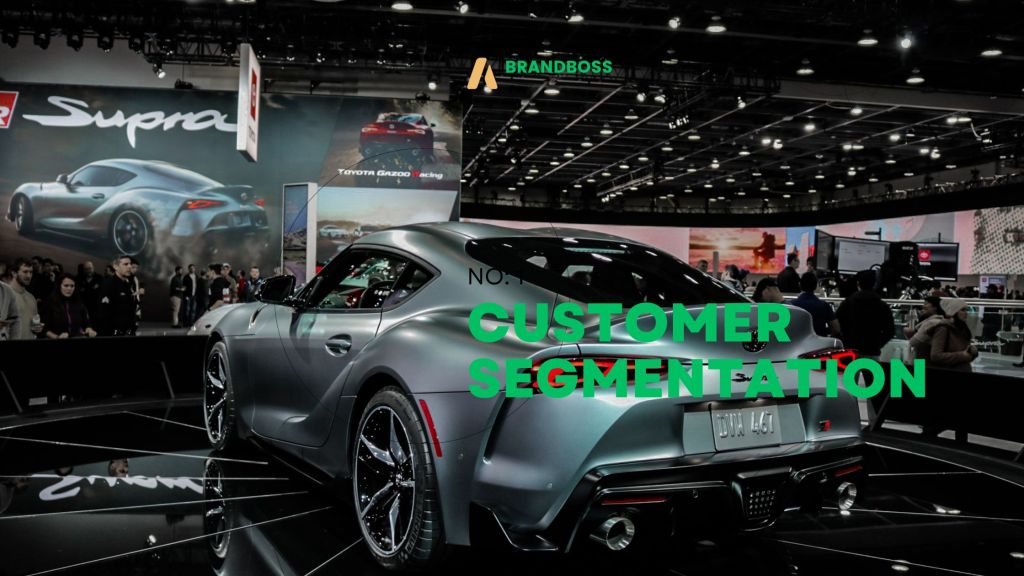
One of the fundamental aspects of luxury car sales is adentifyoing and understanding the target audience. Data analytics helps car manufacturers segment customers based on various factors, including income, age, lifestyle and preferences. By tailoring marketing efforts and product features to specific customer segements, these brands can maximize their impact and sales
2.Predicitive Sales Modeling.
Predictive analytics tools allow luxury car companies to forecast sales trends accurately. These models take into account historical data, market conditions and consumer behaviour to provide insights into future sales. This helps manufacturers optimize production, manage invetory and allocate resources efficiently.
3.Pricing Strategies.

Luxury cars come with premium price tags, and setting the right prices is crucial. Data analytics can help manufacturers analyze competitor pricing, assess demand elasticity, and determine optimal pricing strategies that balance profit margins with market competitiveness.
4. Product Innovation
Luxury car manufacturers must continually innovate to maintain their brand’s allure. Data analytics can uncover insights into customer preferences, emerging technologies, and design trends, enabling these companies to develop cutting-edge vehicles that resonate with their audience.
Case Study: Tesla
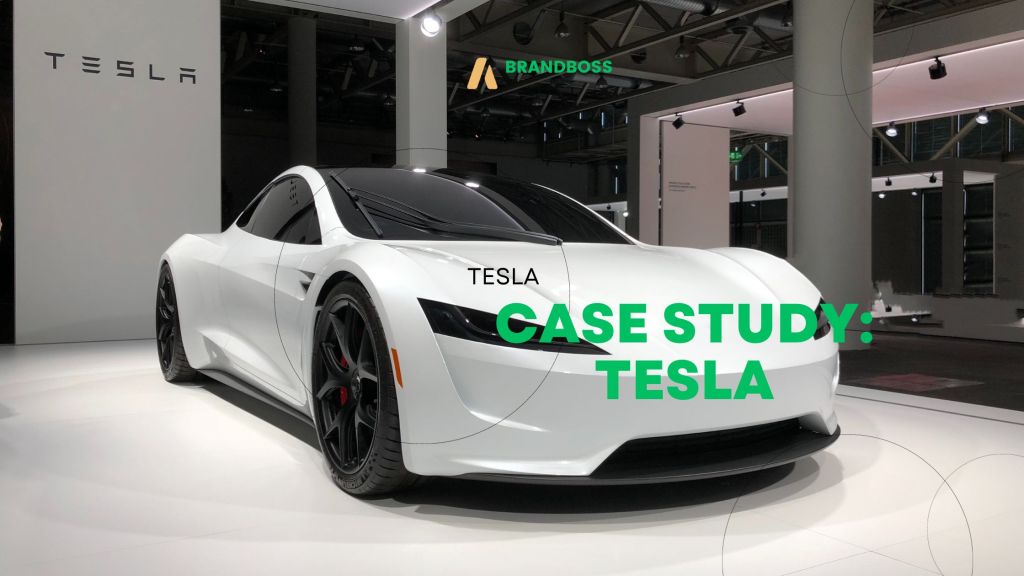
Tesla, known for its electric vehicles and innovation in the automotive industry, is a prime example of a company that thrives on data analytics. Their data-driven approach includes real-time monitoring of vehicle performance, over-the-air software updates, and customer feedback analysis. This enables Tesla to refine its products continuously, enhance customer experiences, and maintain a strong market presence.
Case Study: Ferrari
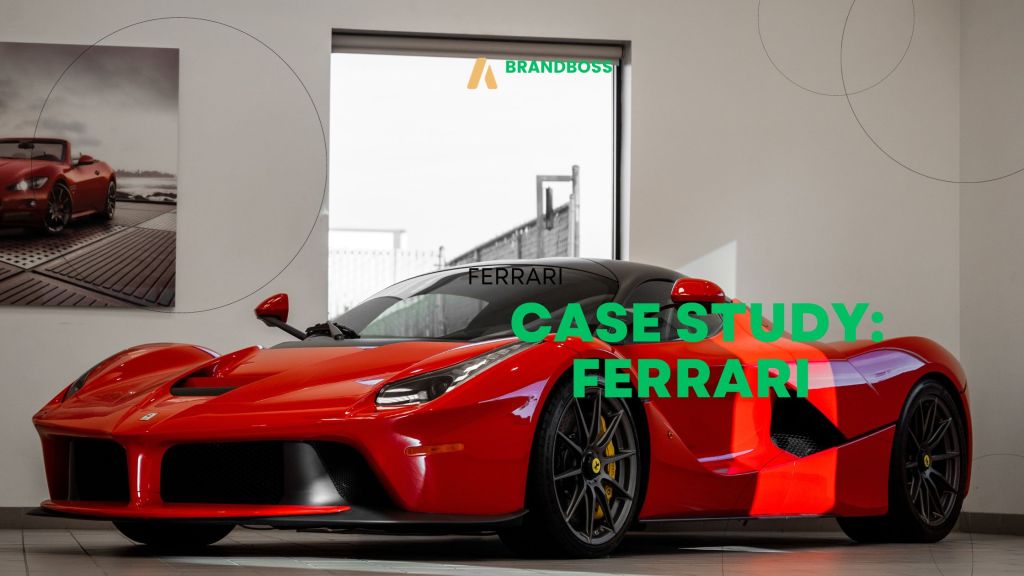
Ferrari, an iconic name in luxury sports cars, utilizes data analytics to optimize its production processes. By analyzing production data and customer orders, they can tailor their manufacturing to meet specific demand patterns, reducing excess inventory and associated costs.
In the competitive landscape of luxury car sales, data analytics are the fuel propelling companies like Ferrari, Rolls-Royce, Tesla, Lamborghini, and others to new heights of success. These tools enable manufacturers to understand their customers better, predict market trends, refine pricing strategies, and innovate their products.
As technology continues to advance, we can expect data analytics to play an even more significant role in shaping the luxury car industry. Companies that harness the power of data will not only thrive but will also lead the way in defining the future of automotive luxury.
Stay tuned for more insights into the intersection of data analytics and the business world on our blog!
 BRAND BOSS EXEC